
Why Modern Headlights Are More Expensive to Replace
Many drivers are surprised when they receive a repair estimate for a headlight replacement. Years ago, changing a bulb was inexpensive and simple. Today, replacing a modern headlight can cost hundreds or even thousands of dollars. The shift reflects more than inflation. Automotive lighting technology has evolved significantly. Headlights are no longer basic glass housings with replaceable bulbs. They are advanced systems integrated into vehicle design and safety features. Understanding why modern headlights are more expensive to replace requires examining technology, materials, and manufacturing complexity.
The Shift From Halogen to Advanced Lighting
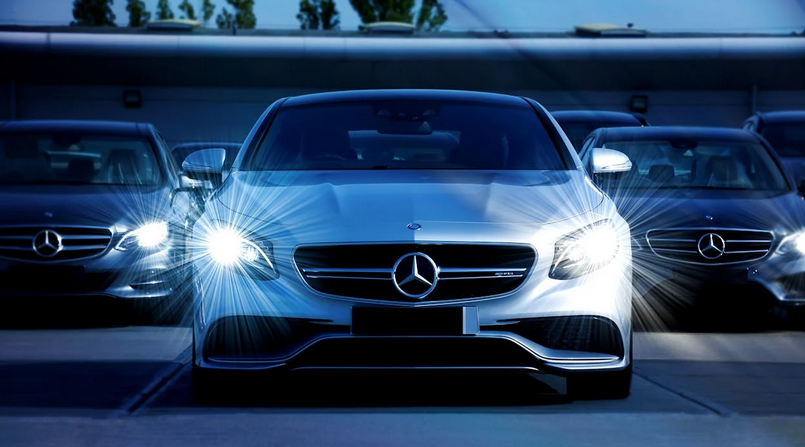
Traditional halogen bulbs were simple and affordable. Drivers could often replace them without professional help. Modern vehicles use LED, HID, or laser lighting systems. These technologies provide brighter illumination and longer lifespan. However, they are more complex. LED modules often come sealed within the headlight assembly. Instead of replacing a single bulb, the entire unit may need replacement. Advanced lighting improves visibility, but it increases repair costs.
Integrated Design and Aerodynamics
Headlights are now part of a vehicle’s overall styling and aerodynamics. Manufacturers design them to fit seamlessly into body panels. This integration creates a sleek appearance. However, it also means headlights are custom-shaped for specific models. Unlike older round or rectangular units, modern assemblies are tailored to each vehicle. This unique design limits interchangeability and increases production costs.
Smart Technology and Adaptive Features
Modern headlights often include adaptive technology. These systems adjust beam direction based on steering input or road conditions. Some headlights automatically switch between high and low beams. Others use sensors to detect approaching vehicles. These smart features require motors, sensors, and control modules within the assembly. If any component fails, the repair may involve replacing the entire system rather than a single part. The addition of electronics increases both material and labor costs.
High-Quality Materials and Construction
Older headlights used basic plastic lenses and reflective housings. Modern versions use advanced materials for durability and clarity. Polycarbonate lenses resist impact and weather damage. Internal components are engineered to withstand heat from powerful light sources. Manufacturers design assemblies to ensure consistent performance and safety standards. Higher-quality materials improve longevity. They also raise manufacturing expenses. Durability comes at a price.
Limited Aftermarket Alternatives
In the past, drivers could purchase inexpensive aftermarket bulbs easily. Today, options may be fewer for advanced lighting systems. Some vehicles require manufacturer-specific modules. Compatibility issues may arise with third-party replacements. Limited competition in certain models keeps prices higher. Specialized components reduce availability and increase reliance on authorized service providers. This market structure contributes to higher replacement costs.
Calibration and Labor Requirements
Replacing modern headlights often involves more than installation. Advanced systems may require recalibration. Vehicles equipped with adaptive lighting or driver assistance systems must align sensors precisely. Technicians use specialized equipment to ensure proper beam alignment and system integration. Labor time increases accordingly. Even if the part itself is costly, calibration adds another layer of expense.
Safety and Regulatory Standards
Automotive lighting plays a critical role in road safety. Manufacturers must meet strict …